Pandemic Agreement Takes Center Stage as Countries Make Progress on PABS System
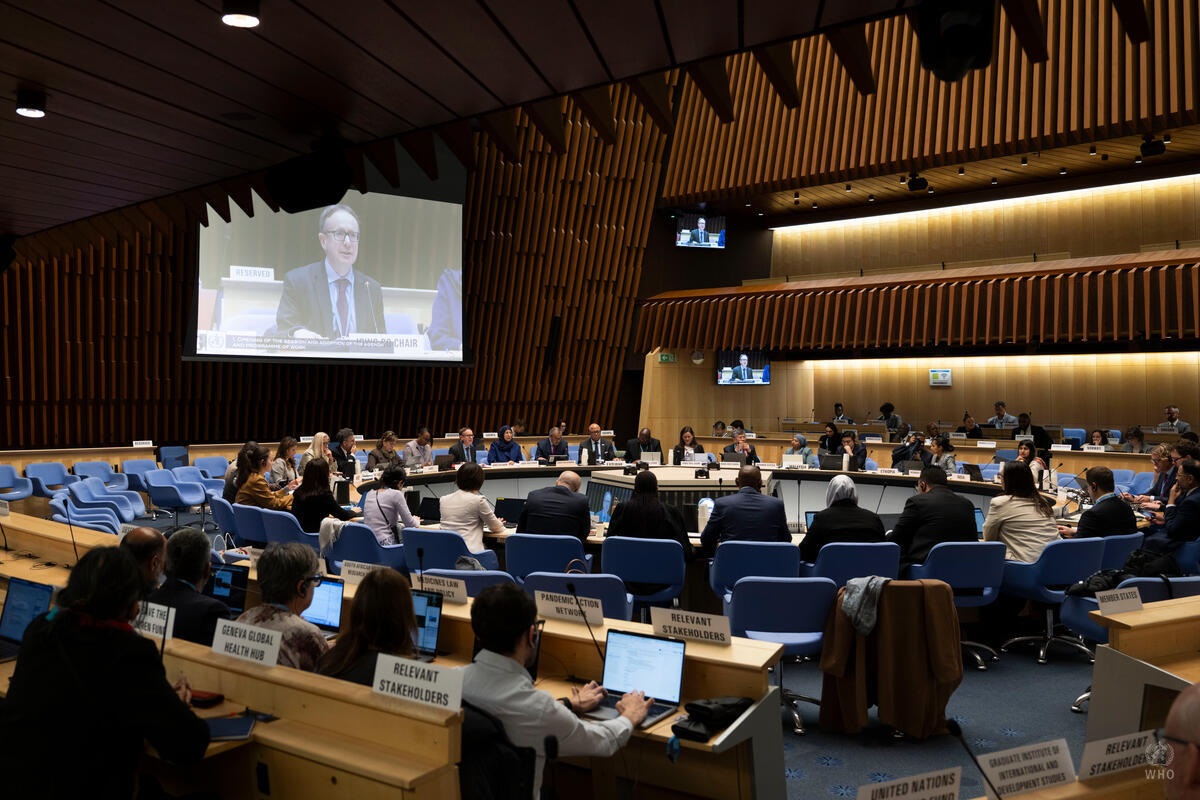
The World Health Organization’s Intergovernmental Working Group (IGWG) on the Pandemic Agreement made significant strides in its negotiations on the Pathogen Access and Benefit-Sharing (PABS) system, a crucial element of the agreement adopted by the World Health Assembly in May 2025. The resumed session of the IGWG, held from January 20-22, marked an encouraging step forward in the efforts to finalize the PABS system, which aims to enable safe, transparent, and accountable sharing of pathogens with pandemic potential and their genetic sequence information.
Progress Made on Key Issues
During the session, Member States continued text-based negotiations on outstanding issues in the draft annex and exchanged views aimed at narrowing differences and identifying areas of convergence. According to IGWG Bureau co-chair Ambassador Tovar da Silva Nunes of Brazil, “I am encouraged by the progress we have made in several areas, with signs of emerging consensus for some parts of the Pathogen Access and Benefit-Sharing system.” The focus will now shift to addressing the outstanding, complex issues, which are expected to be tackled during the upcoming fifth session.
The PABS system is a critical component of the pandemic agreement, designed to ensure that the benefits arising from the use of pathogens with pandemic potential are shared fairly and equitably among all stakeholders. This includes not only countries but also other entities that may benefit from these technologies, such as researchers, innovators, and communities affected by pandemics.
The Importance of International Cooperation
The success of the PABS system hinges on international cooperation and collaboration. As IGWG Bureau co-chair Mr. Matthew Harpur noted, “Member States have engaged in constructive discussions this week.” This willingness to work together is essential for delivering an effective PABS system that addresses the needs of all countries and stakeholders.
Dr. Tedros Adhanom Ghebreyesus, WHO Director-General, emphasized the importance of a strong PABS system, stating, “A strong Pathogen Access and Benefit-Sharing system will be a cornerstone of a safer and more equitable world.” He thanked countries for their commitment to multilateral solutions, acknowledging that this cooperation is critical for addressing the global health challenges posed by pandemics.
Looking Ahead
Further meetings of the IGWG are scheduled in the coming months as Member States continue their negotiations. The outcome of the IGWG’s work will be submitted to the Seventy-ninth World Health Assembly in May 2026 for its consideration. As the world continues to navigate the complexities of pandemics, it is essential that countries come together to develop and implement effective solutions.
The PABS system has the potential to transform the way pathogens with pandemic potential are managed, ensuring that their benefits are shared equitably among all stakeholders while minimizing risks and addressing global health concerns. With continued international cooperation and collaboration, countries can work towards a safer and more equitable world.
In conclusion, the progress made on the PABS system during the IGWG’s resumed session is a significant step forward in the development of the pandemic agreement. As countries continue to negotiate and finalize this critical component of the agreement, they are taking a crucial step towards addressing global health challenges and ensuring that the benefits of pandemic response are shared equitably among all.
As the negotiations on the PABS system continue, it is essential that countries prioritize international cooperation and collaboration. The pandemic agreement has made significant strides in recognizing the need for a fair and equitable sharing of benefits arising from the use of pathogens with pandemic potential.
One of the key areas of focus will be on addressing the issue of patent rights and their impact on access to technologies. Member States have agreed to discuss the role of patents in the development and distribution of pandemic-related products, including diagnostics, therapeutics, and vaccines. This discussion is crucial for ensuring that no single entity or country has undue control over the benefits arising from these technologies.
Another critical aspect of the PABS system is its framework for benefit-sharing. The agreement proposes a tiered approach to benefit-sharing, with higher tiers allocated to countries and entities that are more severely affected by pandemics. This framework aims to ensure that those most in need receive fair compensation for their contributions to global health efforts.
Despite these advances, there remains significant work to be done. Member States will need to continue to engage in constructive discussions and negotiations to address the outstanding issues, including the role of intellectual property rights, the scope of the agreement’s provisions, and the mechanisms for enforcement.
The importance of international cooperation cannot be overstated. The PABS system is a global effort that requires the collective commitment and participation of all countries. By working together, Member States can develop a comprehensive framework for sharing benefits arising from pandemic-related technologies, ensuring that no one country or entity is left behind. Related: Learn more about this topic.
As the negotiations on the PABS system continue, it is essential that countries prioritize transparency, accountability, and equity. The agreement must ensure that benefits are shared fairly and equitably among all stakeholders, including countries, research institutions, and communities affected by pandemics.
Furthermore, the pandemic agreement has also highlighted the need for greater investment in global health infrastructure. Countries will need to work together to strengthen their capacity to respond to pandemics, including investing in surveillance systems, diagnostic tools, and vaccine development programs.
In conclusion, the progress made on the PABS system is a significant step forward in the development of the pandemic agreement. As countries continue to negotiate and finalize this critical component of the agreement, they are taking a crucial step towards addressing global health challenges and ensuring that the benefits of pandemic response are shared equitably among all.
The success of the PABS system will depend on its ability to balance competing interests and priorities. It must ensure that benefits are shared fairly and equitably among all stakeholders while minimizing risks and addressing global health concerns. By prioritizing international cooperation, transparency, accountability, and equity, countries can develop a comprehensive framework for sharing benefits arising from pandemic-related technologies.
Ultimately, the PABS system has the potential to transform the way pathogens with pandemic potential are managed, ensuring that their benefits are shared equitably among all stakeholders while minimizing risks and addressing global health concerns. As countries continue to navigate the complexities of pandemics, it is essential that they come together to develop and implement effective solutions.
The path forward will be shaped by the outcome of the IGWG’s negotiations, which will be submitted to the Seventy-ninth World Health Assembly in May 2026 for its consideration. The success of the pandemic agreement will depend on the collective commitment and participation of all countries. By working together, Member States can develop a comprehensive framework for sharing benefits arising from pandemic-related technologies, ensuring that no one country or entity is left behind.
As the world continues to navigate the complexities of pandemics, it is essential that countries prioritize international cooperation and collaboration. The PABS system has the potential to transform the way pathogens with pandemic potential are managed, ensuring that their benefits are shared equitably among all stakeholders while minimizing risks and addressing global health concerns.