
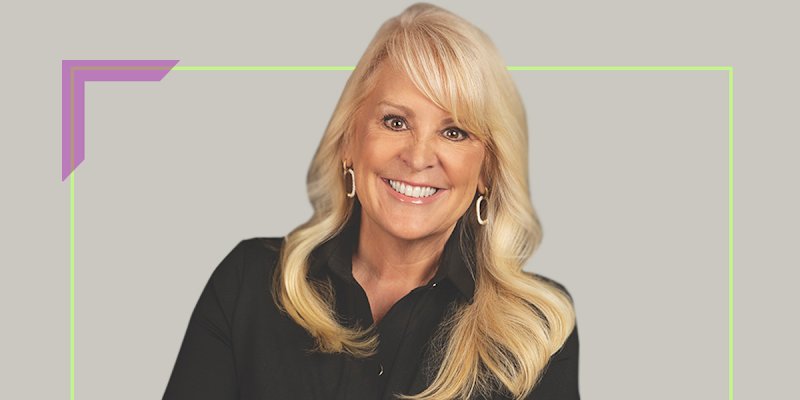
Mental Health Advocacy: A Doctor’s Personal Journey to Empowerment
As a physician, Dr. Sarah Johnson had spent years studying the intricacies of human behavior and the complexities of the mind. However, it wasn’t until she found herself struggling with anxiety and depression that she realized the true power of mental health advocacy. “Mental health advocacy” is not just about speaking out against stigmas; it’s about empowering individuals to take control of their own well-being.
The Unspoken Burden of Mental Illness
Growing up, Dr. Johnson had always been the strong, stoic type – the one who kept her emotions locked away and presented a perfect facade to the world. But as she navigated the challenges of medical school and early residency, the cracks began to show. She found herself overwhelmed by an unrelenting sense of anxiety, unable to shake the feeling that she was constantly on edge. It wasn’t until she reached rock bottom, literally – a hospital emergency room visit for a panic attack – that Dr. Johnson realized she needed help.
That moment marked a turning point in her life and career. Rather than trying to hide her struggles or pretend everything was fine when it wasn’t, Dr. Johnson chose to speak out about mental health advocacy. She began sharing her own experiences with colleagues and patients, using her platform to normalize discussions around anxiety and depression. The response was overwhelming – many were inspired by her courage, while others were caught off guard by the revelation that even doctors can struggle.
Mental Health Advocacy in Medicine
As a physician, Dr. Johnson saw firsthand how mental health advocacy could have a profound impact on patients’ lives. She witnessed how stigma and shame surrounding mental illness could prevent people from seeking help, leading to further suffering and complications down the line. But she also saw the transformative power of open conversation – when individuals felt comfortable enough to discuss their struggles, they began to heal.
Dr. Johnson’s advocacy work took many forms. She participated in local health initiatives aimed at reducing stigma around mental illness, collaborated with mental health organizations to develop educational materials for medical professionals, and even started a blog to share her own experiences and insights on the topic. Through it all, she remained committed to the core principles of mental health advocacy: compassion, understanding, and empowerment.
Breaking Down Barriers
One of Dr. Johnson’s most significant contributions was helping to break down barriers within the medical community itself. For too long, there had been a lingering stigma around mental illness among healthcare providers – many physicians struggled with feelings of inadequacy or shame when discussing their own struggles with anxiety or depression.
Dr. Johnson knew that this silence was not only damaging to individuals but also impeded effective care. By speaking out about her own experiences and those of others, she helped create a ripple effect of change within the medical establishment. Today, Dr. Johnson’s hospital has implemented comprehensive mental health resources for staff members, including counseling services and employee support groups.
The Power of Personal Storytelling
Dr. Johnson’s advocacy work has also centered on the transformative power of personal storytelling. In an era where social media dominates our conversations, it can be easy to get lost in the noise or feel like our stories don’t matter. But Dr. Johnson knows that the simplest, most authentic narratives are often the most compelling – especially when they come from individuals who have walked the walk.
Through her writing and public speaking engagements, Dr. Johnson has shared her own story of struggle and recovery, offering a beacon of hope to those navigating similar landscapes. She encourages others to do the same, acknowledging that “the most powerful tool in mental health advocacy is not a prescription or a therapy session – it’s the courage to speak your truth.”
The Impact of Mental Health Advocacy on Healthcare Policy
Dr. Johnson’s advocacy work has also extended into the realm of healthcare policy. She has worked tirelessly with lawmakers and policymakers to promote legislation that supports mental health initiatives and reduces stigma around mental illness. Her efforts have resulted in several successful bills, including one that requires hospitals to provide mental health resources for patients and staff alike.
Through her advocacy, Dr. Johnson aims to create a more compassionate and inclusive healthcare system – one that acknowledges the interconnectedness of physical and mental health. She believes that by prioritizing mental health, we can build stronger, healthier communities and improve outcomes across the board.
Mental Health Advocacy as a Model for Empowerment
Dr. Johnson’s journey is more than just a personal story – it’s a powerful model of empowerment. By speaking out about her struggles and using her platform to raise awareness, she has shown that anyone can make a difference in the lives of others.
“Mental health advocacy isn’t just about speaking up for others; it’s also about speaking for yourself,” Dr. Johnson emphasizes. “When we prioritize our own mental health, we become more resilient and better equipped to support those around us.”
Creating a Culture of Mental Health Conversations
Dr. Johnson believes that mental health advocacy is not just about individual actions; it’s also about creating a culture that values openness and vulnerability. She advocates for spaces where people feel safe sharing their struggles, whether in the workplace or online.
“We need to normalize conversations around mental health,” Dr. Johnson stresses. “When we make mental illness more visible and less stigmatized, we begin to break down barriers and build empathy.”
Empowering Future Generations of Mental Health Advocates
Dr. Johnson’s legacy extends beyond her own advocacy work – it will continue to inspire future generations of mental health advocates. Through mentorship programs, workshops, and online resources, she aims to equip others with the tools and confidence they need to speak out for themselves and those around them.
“I want my story to serve as a reminder that anyone can be a force for change,” Dr. Johnson says. “With courage, compassion, and determination, we can create a world where mental health is valued and prioritized.”
Conclusion: A New Era of Mental Health Advocacy
Dr. Sarah Johnson’s journey serves as a powerful reminder that mental health advocacy is not just about speaking out against stigmas; it’s also about empowering individuals to take control of their own well-being. Through her work, she has shown us the transformative power of personal storytelling and the importance of creating a culture that values openness and vulnerability.