Iran Broadcast Ban Looms as FCC Chair Threatens Licenses Over ‘Distortions’ Understanding iran broadcast ban is essential.
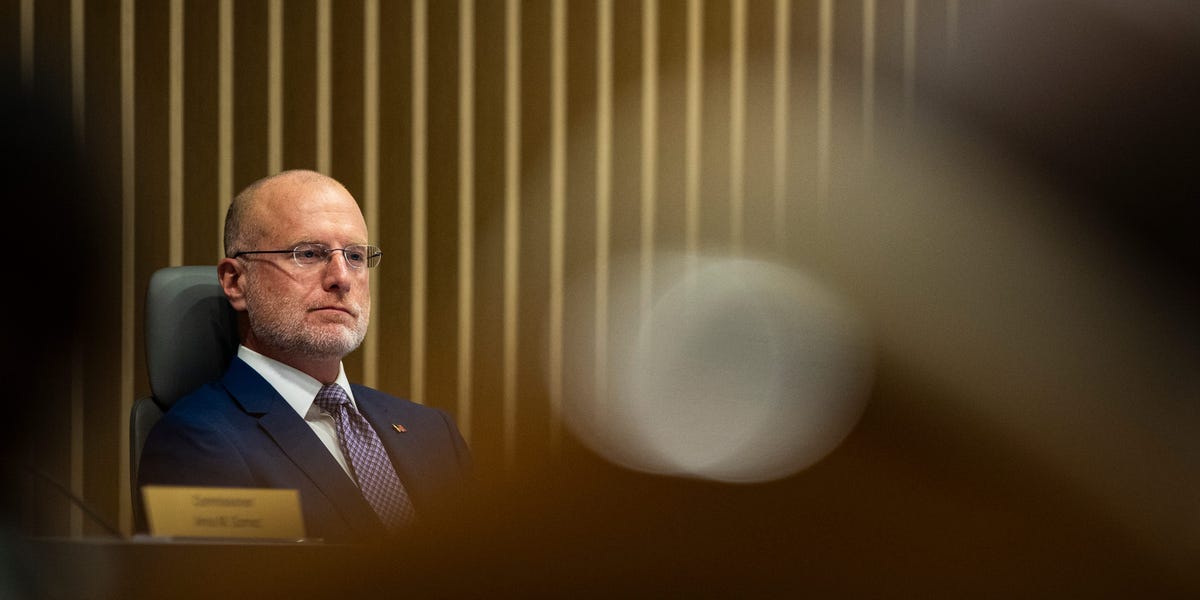
Federal Communications Commission (FCC) Chair Brendan Carr has issued a stern warning to broadcasters, threatening to revoke their licenses if they air what he describes as misleading coverage of the Iran war. The move comes after President Donald Trump criticized major newspapers, including The New York Times and The Wall Street Journal, for allegedly misrepresenting developments in the conflict.
Carr’s comments on X, a social media platform popular among politicians and journalists, were aimed at broadcasters that are spreading “hoaxes” and news distortions. He urged them to “correct course” before their license renewals come up, emphasizing that the law requires broadcasters to operate in the public interest. The warning reflects a broader pattern of the FCC under Carr taking a more aggressive posture toward broadcasters’ content.
The FCC’s New Era Under Carr
Since becoming chair during Trump’s second term, Carr has repeatedly pointed to the agency’s “public interest” standard and a rarely invoked “news distortion” policy as potential tools to scrutinize stations’ programming. This approach has sparked concerns among critics, who argue that it risks pressuring news organizations over their coverage.
Critics, including former FCC officials and lawmakers, have warned that using those authorities to challenge editorial decisions can have unintended consequences. They argue that the agency’s actions may inadvertently stifle a free press, which is essential for a functioning democracy.
A Threat to Press Freedom
Carr’s warning has been seen by many as a threat to press freedom and the ability of broadcasters to report on sensitive topics without fear of retribution. The FCC’s “news distortion” policy, in particular, has raised concerns among journalists and media organizations.
In 2019, Carr wrote that “the FCC does not have a roving mandate to police speech in the name of the ‘public interest,'” a statement that contrasts with his current approach. Critics argue that this shift reflects a broader trend toward more aggressive regulation of broadcasters’ content.
The Iran Broadcast Ban
The FCC’s warning has sparked concerns among Iranian-American groups and human rights organizations, which fear that the agency’s actions may be used to censor coverage of the conflict in Iran. The Iranian government has already been accused of cracking down on dissenting voices and restricting access to information.
The FCC’s threat to revoke licenses for broadcasters that air “distortions” about the war in Iran raises concerns about censorship and press freedom. The agency’s actions may be seen as an attempt to silence critics and journalists who report on sensitive topics without fear of retribution.
A Tangled Web of Regulations
The FCC’s warning reflects a tangled web of regulations and policies that govern broadcasters’ content. The agency’s “equal time” rule, which requires stations to provide comparable airtime to political candidates, has been the subject of controversy in recent months.
Critics argue that the FCC’s actions may be used to challenge editorial decisions and stifle dissenting voices. The agency’s efforts to regulate broadcast content have raised concerns among journalists and media organizations, who fear that their ability to report on sensitive topics without fear of retribution is being eroded.
In conclusion, the FCC’s warning to broadcasters over “distortions” in coverage of the Iran war has sparked concerns about censorship and press freedom. The agency’s actions reflect a broader trend toward more aggressive regulation of broadcasters’ content, which raises questions about the future of a free press in the United States.