
Pathogen Access Takes Center Stage at WHO Pandemic Agreement Talks
Member States of the World Health Organization (WHO) concluded a weeklong round of negotiations on draft annex for Pathogen Access and Benefit Sharing (PABS) – a key component of the WHO Pandemic Agreement, marking a significant step forward in the global effort to ensure equitable access to pandemic-related technologies.
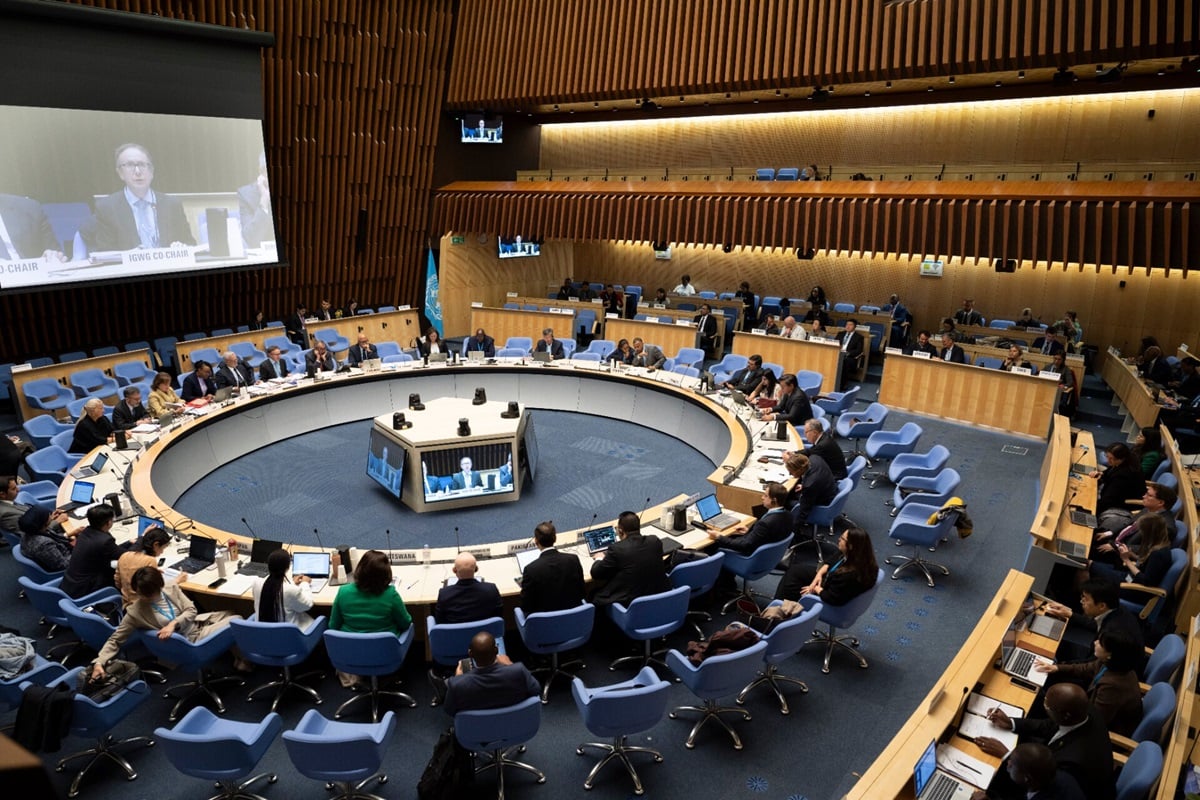
The fifth meeting of the Intergovernmental Working Group on the WHO Pandemic Agreement (IGWG), set up by the World Health Assembly (WHA) last year to negotiate the PABS annex, wrapped up over the weekend after productive discussions from 9–14 February 2026. The IGWG has been working tirelessly to finalize a comprehensive agreement that will provide a clear framework for pathogen access and benefit sharing during future pandemics.
#Pandemic Preparatory Work
The draft annex is a critical component of the WHO Pandemic Agreement, which aims to strengthen the global response to infectious disease outbreaks. The PABS annex specifically addresses the issue of pathogen access, ensuring that researchers and developers have fair and equitable access to pandemic-related technologies while also providing a mechanism for sharing benefits with affected communities.
The negotiations were marked by intense debates and discussions on various aspects of the draft annex, including the scope and applicability of the agreement. The member states worked closely together to ensure that the final product reflects their shared commitment to global health security and equitable access to life-saving technologies.
#Pathogen Access: A Global Commitment
One of the most contentious issues during the negotiations was the definition of pathogen access, which is critical to ensuring fair and equitable distribution of pandemic-related technologies. The member states agreed that pathogen access should be defined as “the right to access and benefit-sharing from research and development on pandemic-related pathogens, including vaccines, therapeutics, diagnostics, and other innovative products.”
The agreement also established a clear framework for determining the scope of pathogen access, taking into account factors such as the severity of the outbreak, the availability of alternative treatments or diagnostic tools, and the potential benefits to affected communities.
#Bridging the Gap between Science and Society
Another key area of discussion during the negotiations was the need to bridge the gap between scientific research and societal needs. The member states recognized that pandemic-related technologies are often developed in response to emerging health threats, but may not always be available or accessible to those who need them most.
To address this issue, the draft annex includes provisions for collaborative research and development initiatives, which aim to accelerate the development of pandemic-related technologies while also ensuring their equitable distribution. The agreement also emphasizes the importance of public engagement and participation in the decision-making process surrounding pathogen access and benefit sharing.
#A Global Commitment to Health Security
The conclusion of the draft annex represents a significant step forward in the global effort to strengthen health security and ensure equitable access to life-saving technologies during future pandemics. The agreement provides a clear framework for pathogen access, which is critical to ensuring that researchers and developers have fair and equitable access to pandemic-related technologies while also providing a mechanism for sharing benefits with affected communities.
As the member states move forward with ratification and implementation of the WHO Pandemic Agreement, they will be building on the momentum generated by this week’s negotiations. The agreement provides a powerful tool for promoting global health security, ensuring that those who need it most have access to life-saving technologies, and bridging the gap between scientific research and societal needs.
The pathogen access provisions outlined in the draft annex are a testament to the collective commitment of member states to prioritize global health security and equitable access to pandemic-related technologies. As the world continues to grapple with the challenges of pandemics, it is clear that this agreement will play a critical role in shaping the global response to future outbreaks.