Preventive Cholera Vaccination Resumes as Global Supply Reaches Critical Levels
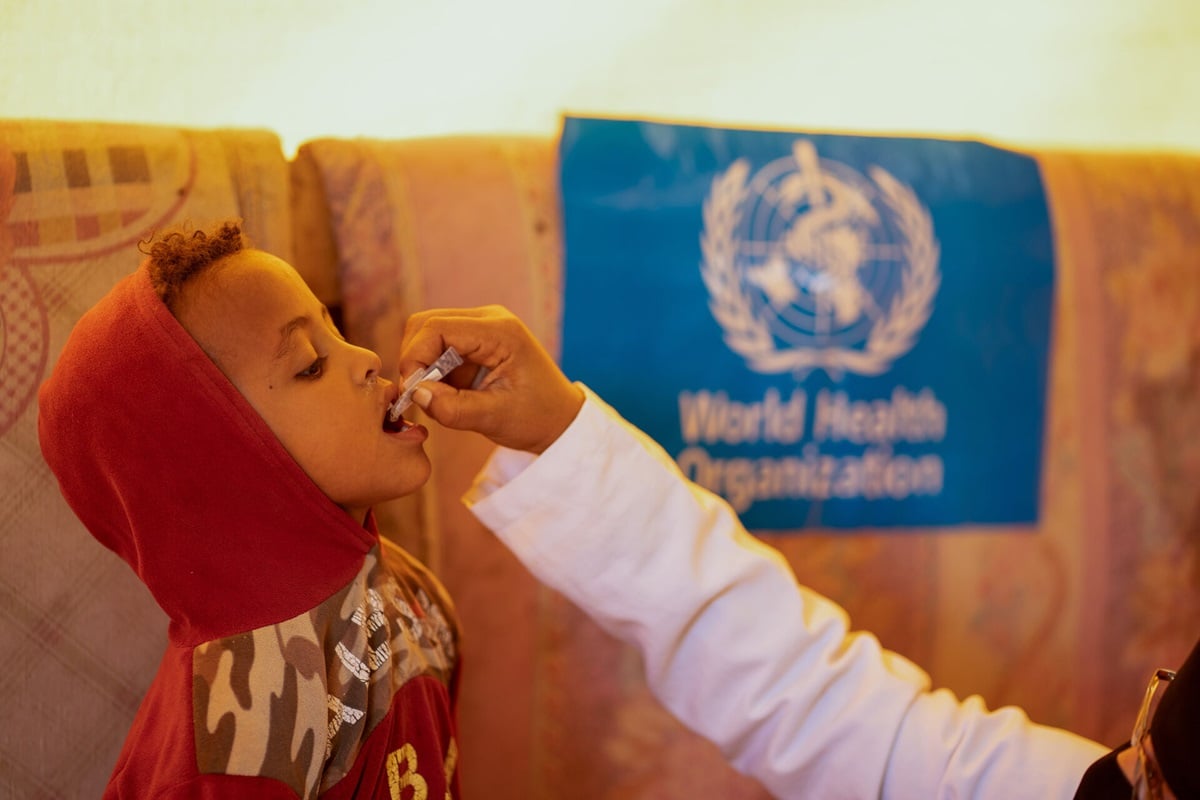
Preventive cholera vaccination campaigns are resuming in several countries, marking a significant shift in the global fight against this deadly disease. The World Health Organization (WHO) has announced plans to launch vaccination programs in Mozambique, Bangladesh, and the Democratic Republic of the Congo, highlighting the critical need for preventive measures.
The WHO’s decision is largely driven by concerns over the increasing availability of cholera vaccines globally. The vaccine, which was initially introduced as a preventive measure against cholera outbreaks, is now being made more widely available due to its proven effectiveness in preventing cases of the disease.
According to the Centers for Disease Control and Prevention (CDC), the global supply of cholera vaccines has reached critical levels, prompting health organizations to take action. The CDC reports that the vaccine’s efficacy rate stands at 90% or higher, making it a vital tool in preventing outbreaks.
## Global Response to Cholera Outbreaks
Cholera is a highly infectious disease caused by Vibrio cholerae bacteria, which can spread rapidly through contaminated food and water. According to the WHO, there have been over 200 reported cholera outbreaks globally since 2010, resulting in thousands of deaths.
The global response to these outbreaks has been largely ineffective, with many countries struggling to provide adequate healthcare services to those affected. The lack of access to clean water, sanitation, and hygiene (WASH) infrastructure exacerbates the problem, creating an environment conducive to the spread of the disease.
## Preventive Cholera Vaccination: A Proven Solution
Preventive cholera vaccination has proven to be an effective solution in preventing outbreaks. The vaccine is particularly useful in areas where access to clean water and sanitation is limited, such as in developing countries.
Studies have shown that mass vaccination campaigns can significantly reduce the incidence of cholera cases. For example, a study conducted in Yemen found that a targeted vaccination campaign reduced cholera cases by 95%.
The WHO has recognized the importance of preventive cholera vaccination, citing it as a vital tool in preventing outbreaks. The organization recommends widespread vaccination campaigns in areas where the risk of outbreak is high.
## Launching Vaccination Campaigns
Related: Learn more about this topic.
In Mozambique, a first-ever preventive cholera vaccination campaign launched earlier this year marks a significant milestone in the country’s efforts to combat the disease. According to health officials, the vaccine has been made available to over 1 million people, with plans for further vaccination campaigns in the coming months.
Bangladesh and the Democratic Republic of the Congo are also set to launch their own preventive cholera vaccination campaigns. Health organizations have expressed optimism about the impact of these efforts, citing the proven effectiveness of the vaccine in preventing cases of the disease.
In conclusion, the resumption of preventive cholera vaccination campaigns is a critical development in the global fight against this deadly disease. The availability of cholera vaccines globally has reached critical levels, and health organizations are taking action to capitalize on this opportunity.
As vaccination campaigns continue to roll out, it remains essential for governments, health organizations, and individuals to prioritize access to clean water, sanitation, and hygiene (WASH) infrastructure. This is crucial in preventing outbreaks and reducing the risk of cholera cases.
Ultimately, a combination of preventive measures, including vaccination campaigns and improved WASH infrastructure, will be necessary to effectively combat cholera. With the global supply of cholera vaccines now at critical levels, there is hope for a brighter future in the fight against this deadly disease.