Middle East Airspace Closed Due to Iran Strikes
Middle East airspace has been effectively shut down due to a series of strikes on Iranian military targets, leaving commercial airlines scrambling to reroute flights and millions of passengers stranded. The closures, which have been in effect since Tuesday morning, have resulted in widespread disruptions to air travel across the region.
The United States, Israel, and Iran have all been involved in the conflict, with the US conducting airstrikes on Iranian missile sites and Israeli warplanes carrying out attacks on Iranian military targets. In response, Iran has launched a barrage of ballistic missiles at several locations in Iraq and Syria, prompting concerns about civilian casualties and regional instability.
Impacts on Global Air Travel
The closure of Middle East airspace has sent shockwaves through the global air travel industry, with airlines scrambling to find alternative routes for their flights. Many carriers have been forced to cancel or divert flights to avoid the affected airspace, leading to a significant increase in flight delays and cancellations.
According to data from FlightAware, a company that tracks flight activity, more than 1,000 flights were diverted or cancelled on Tuesday alone due to the closure of Middle East airspace. The impact was not limited to commercial airlines, with many private aircraft also being forced to reroute their flights.
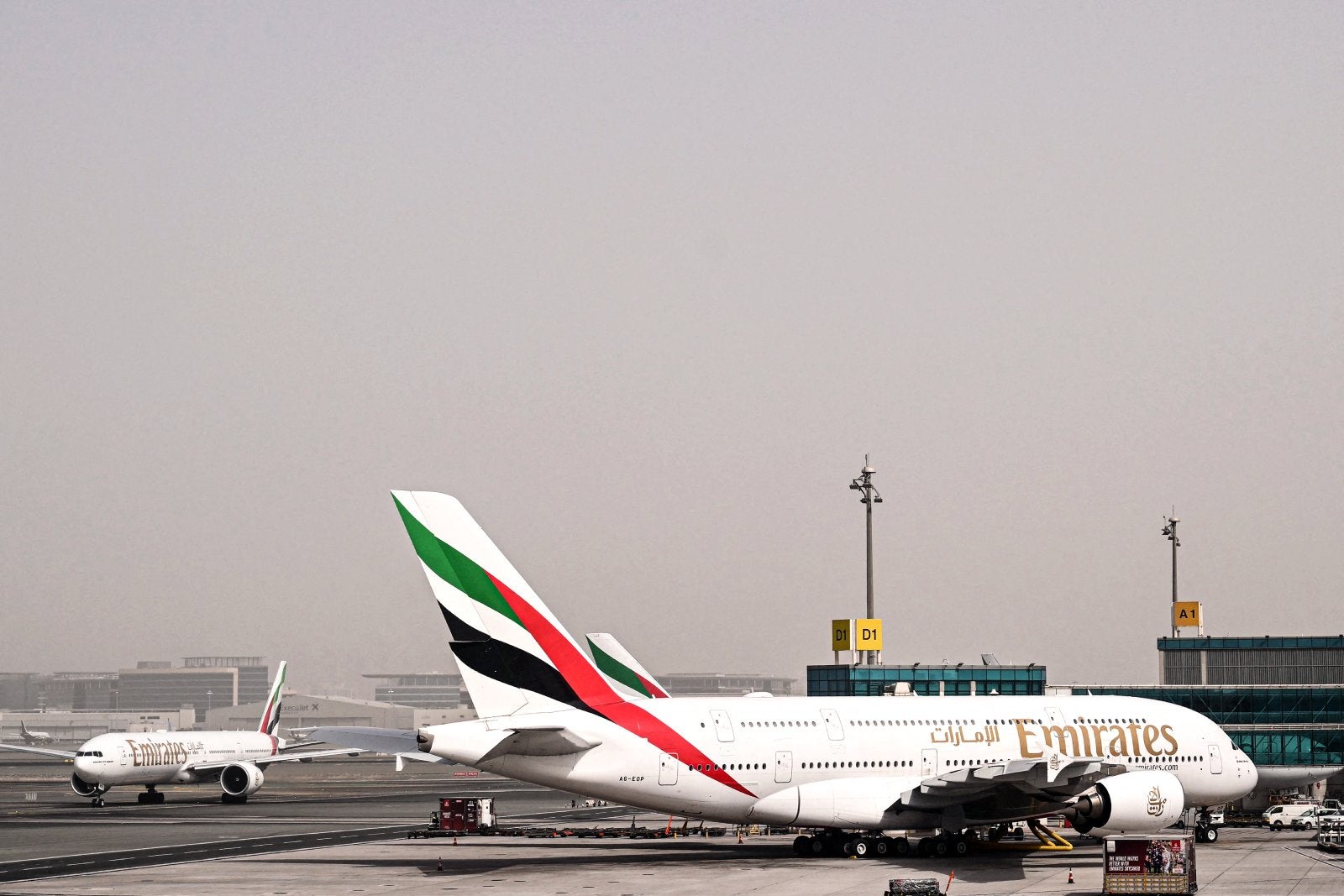
The disruptions have had a significant impact on air travel in the region, with many passengers facing long delays and cancellations. Airlines such as Emirates, Qatar Airways, and Turkish Airlines have all been affected, with some flights being diverted to European hubs or cancelled altogether.
Middle East Airspace: A Critical Hub for Global Aviation
Middle East airspace is a critical hub for global aviation, with many airlines operating major routes through the region. The closure of airspace has put significant pressure on carriers to find alternative routes, leading to increased fuel costs and longer flight times.
The Middle East is also home to several key international airports, including Dubai International Airport, Abu Dhabi International Airport, and Istanbul Airport. These airports are major hubs for cargo and passenger traffic, with many airlines operating major connectivity networks through the region.
Regional Security Concerns
The closure of Middle East airspace has raised concerns about regional security in the wake of the conflict. The strikes on Iranian military targets have sparked fears of retaliation from Iran, which could potentially lead to further instability in the region.
There are also concerns about the potential impact on global energy markets, with oil exports being a critical component of the region’s economy. The closure of Middle East airspace has led to increased volatility in oil prices, with many analysts predicting a significant increase in costs for airlines and consumers alike.
In response to the crisis, several countries have pledged support to affected airlines and passengers. The United Arab Emirates, Saudi Arabia, and other Gulf states have offered assistance to carriers, including fuel subsidies and emergency funding. The International Air Transport Association (IATA) has also called for greater cooperation between governments and airlines to mitigate the impact of the closure.
A Long-Term Impact on Aviation?
The closure of Middle East airspace is likely to have a long-term impact on aviation in the region. The conflict has highlighted the vulnerability of global air travel networks to regional instability, leading to increased calls for improved security measures and more robust emergency preparedness plans.
As airlines seek to recover from the disruptions caused by the closure, there are also concerns about the potential for further conflicts to disrupt air travel. The Middle East is a critical hub for global aviation, and any further instability in the region could have significant consequences for the industry as a whole.
In the meantime, airlines and governments will continue to work together to find solutions to the crisis. As the situation continues to evolve, one thing is clear: the closure of Middle East airspace has sent shockwaves through the global air travel industry, and it will take time for the region to recover from the impact.